The dream of fast, borderless travel between major European cities such as Athens, Istanbul, Madrid and Milan is set to become reality.
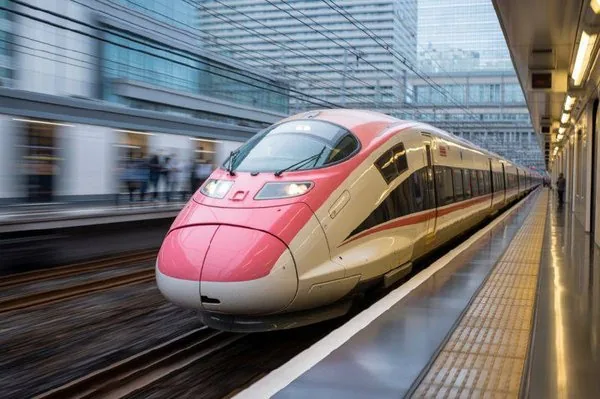
As part of an ambitious plan to modernise rail across the continent, Europe’s high-speed rail network aims to transform how people travel, making transport faster, greener and more efficient. Backed by the Community of European Railway and Infrastructure Companies (CER), the plan aims to link all major EU cities with lines running at 250–350 km/h. Over the next 20 years it envisages a network of more than 49,400 km, enabling long journeys in unprecedented time. The European Commission has made the plan a priority, seeing it as a key step for tourism and sustainability goals.
What is the high-speed rail network and why does it matter?
Europe’s high-speed rail network is a comprehensive project to build advanced rail infrastructure connecting all major EU cities. By improving intercity links, it will reduce reliance on flights and cars and make transport more sustainable. For example, a trip from Athens to Istanbul would take only four hours, and the Madrid–Milan journey would be dramatically shortened. By easing travel between cities, the project will strengthen economic and cultural ties and increase tourism and business opportunities.
Timeline and finances
Completing the vast network will take about 20 years and cost around €546 billion. Although heavy, the investment is seen as vital for the future of European transport. Funding will come from a mix of national and EU sources, with some costs allocated from previous infrastructure and defence budgets. Experts believe the return will be substantial, improving the quality of life of millions and playing a major role in meeting the EU’s environmental targets.
Connecting major cities and improving access
A main goal of the network is to directly connect European capitals and major cities. Thessaloniki, Berlin, Barcelona and Rome are among the cities included, and smaller cities of around 250,000 people will also benefit. By 2050, around 50% of European travellers are expected to prefer high-speed trains over other modes, significantly reducing carbon pollution from air travel and offering a cleaner alternative to short-haul flights.